





































Screen Time: How Much Is Too Much? A Parent’s Guide
*This is a collaborative post
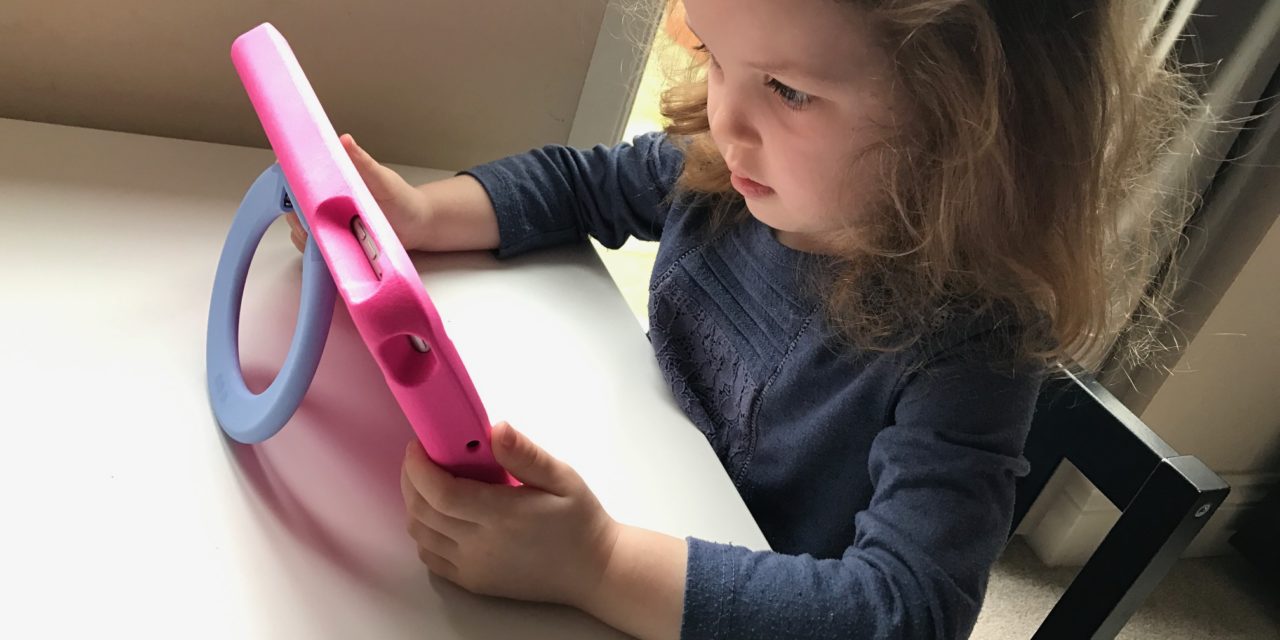
Screens are now part of everyday family life. From homework and revision to messaging friends and relaxing with a game or film, children spend more time on screens than ever before. For many parents, the challenge is not whether screens should be part of childhood, but how much screen time is healthy.
There is no single number that works for every child, but there are clear principles that can help families find a balanced approach.
Why screen time is not all the same
Not all screen time has the same impact. Using a device for homework, creative projects or learning a new skill is very different from passive scrolling or prolonged gaming. Context, content and purpose matter far more than raw hours.
Screens can support learning, communication and creativity when used thoughtfully. Problems are more likely to arise when screen use displaces sleep, physical activity, social interaction or family time.
General guidance on screen use
Health organisations tend to focus less on strict limits and more on balance, especially for older children. Younger children benefit from shorter, supervised screen use, while older children and teenagers need support to develop healthy habits rather than rigid rules. A helpful starting point is to ensure screens do not interfere with essentials such as sleep, schoolwork, exercise and face-to-face relationships. If those foundations are secure, screen time is less likely to become problematic.
Signs that screen time may be an issue
Rather than counting hours alone, it can be more useful to watch for changes in behaviour. Difficulty switching off screens, increased irritability, withdrawal from offline activities or disrupted sleep can all be signs that screen use needs rebalancing. These signals do not mean screens are inherently harmful, but they may indicate that boundaries or routines need adjusting.
Creating healthy screen habits at home
Clear, consistent expectations help children develop self-regulation. This might include screen-free times, such as during meals or before bed, and agreed limits on certain activities. Involving children in discussions about screen use can be more effective than imposing rules without explanation. When children understand the reasons behind boundaries, they are more likely to respect them. Modelling healthy behaviour matters too. Children notice how adults use their own devices and often mirror those habits.
Supporting balance, not banning screens
Screens are woven into education, social life and entertainment. The goal is not to eliminate them, but to help children use them in ways that support wellbeing and development.
Encouraging a mix of activities, including outdoor play, reading, hobbies and time with others, helps keep screen use in proportion. Balance looks different in every family and may change as children grow.
Finding what works for your family
There is no universal answer to how much screen time is too much. What matters most is how screens fit into your child’s wider life. By focusing on quality, balance and open communication, parents can help children build healthy relationships with technology that will serve them well into the future.