





































How Much Light Is Too Much Light? Balancing Your Home

*This is a collaborative post
A sunlit home can look fresh, open and welcoming, but relentless brightness does not always feel good to live with. Rooms that are flooded with hard daylight can create a low-level sense of strain, especially in busy family homes where people are working, studying, resting and playing in the same space. The goal is only to soften the sharp edges of light so a room feels gentler, cooler and easier to enjoy. Thoughtful light control can also help protect furniture and finishes from long-term sun damage, which makes a calmer home feel like a smarter one, too.
Why Glare Drains a Room
Screens, polished flooring and glossy kitchen countertops are all reflective surfaces that make everyday tasks harder on the eyes and mind than they need to be. Children squint over their homework, and remote workers will continually switch positions throughout the day. Harsh light can cause a lot of strain in a home that is supposed to be peaceful. Diffusing the light will make the same environment more visually appealing and less stressful, which restores ease to your home.
A Cooler Home Without Losing Daylight
Too much sunlight also generally results in excessive heat. Residential building design guidelines note that the most effective way to reduce unwanted solar heating is to shade the glass as much as possible. Windows with no glazing protection are typically one of the largest contributors to heat entering your home. This matters in family homes where afternoon sun can make living rooms feel unbearable and bedrooms less comfortable. Selective shading, which filters the light but does not block it out, will allow you to maintain natural light in your home while limiting the amount of heat it produces.
What Sunlight Does to Furniture
Sunlight does far more than affect your comfort level. Direct sunlight will fade carpeting and hardwood flooring, artwork and upholstery over time. Authoritative guidance provided by manufacturers for window treatments mentions that solar screens can block UV rays that cause the fading of fabrics, as well as cut down on glare and heat in your home. The Skin Cancer Foundation also uses faded furniture as an example of the penetration of UVA through windows into a room and its effects. Therefore, softening the light is not just for mood, it is a functional means of helping to protect and preserve the things that make your house feel like a home, including protecting the people who live in it.
Small Changes That Has Impact
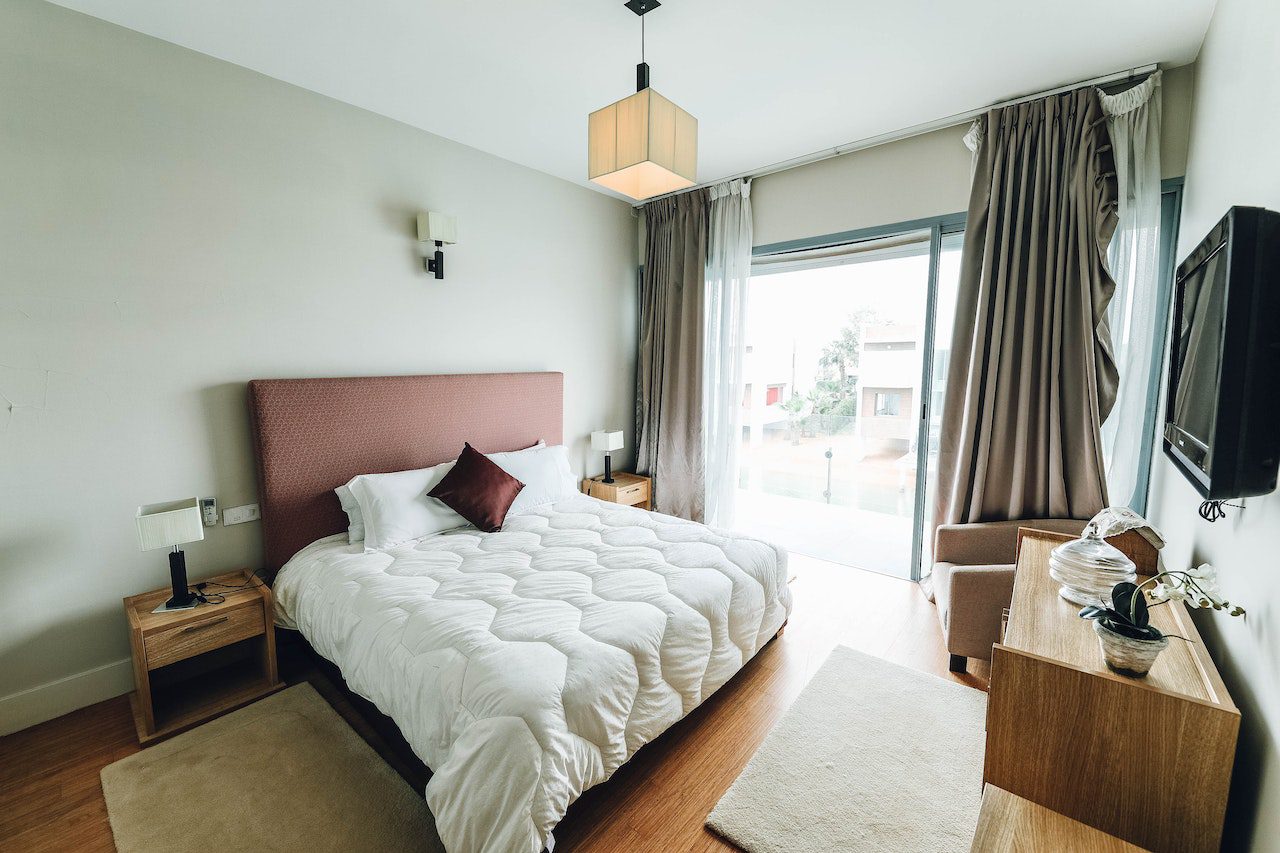
Layering usually helps to reset the balance. Soft sheer curtains or blinds with heavy drapes will help you filter the amount of light that enters your home, add insulation and give you privacy. Matte finishes and textured fabrics help absorb reflection. Window treatments matter most because they automatically respond to the changing sun throughout the day and protect your furniture. The effect is subtle but powerful – less squinting, less overheating, less visual clutter.
Let the Light In, Just on Your Terms
Natural light can lift the mood of a room, support wellbeing and make everyday spaces feel more pleasant to spend time in. A home streaming with natural light is most homeowners’ dream come true. The trick is knowing when brightness stops feeling comfortable. Good design will help you control your naturally lit home in a way that reduces glare, limits heat and protects the things inside your home. When light is softened rather than blocked, you keep the benefits of sunshine while creating a space that feels calm, practical and easy to live in.