





























How to Keep Energetic Toddlers Moving on Rainy Days
*This is a collaborative post
Rainy days can leave toddlers with plenty of energy and very few places to use it. Indoor movement helps them practise balance, coordination and body awareness while making the day easier for everyone. You don’t need a huge playroom or a packed timetable either. A few safe household items, short bursts of activity and a calmer routine can turn time indoors into something enjoyable.
The Cabin Fever Dilemma
Toddlers often show restlessness through climbing on furniture, chasing pets or becoming frustrated over tiny things. These behaviours may signal that they need a physical outlet, especially after several hours indoors. Ideas for creative indoor movement include dancing, obstacle courses and active games that can be adapted to your available space.
Aim for several five- or ten-minute movement breaks across the day. Clear the floor, move sharp-edged furniture aside, and supervise closely. If the whole family feels stuck indoors, these ideas for quality time can also help you find simple activities everyone can enjoy together.
Set Up an Indoor Movement Circuit
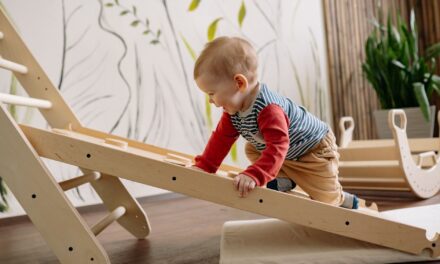
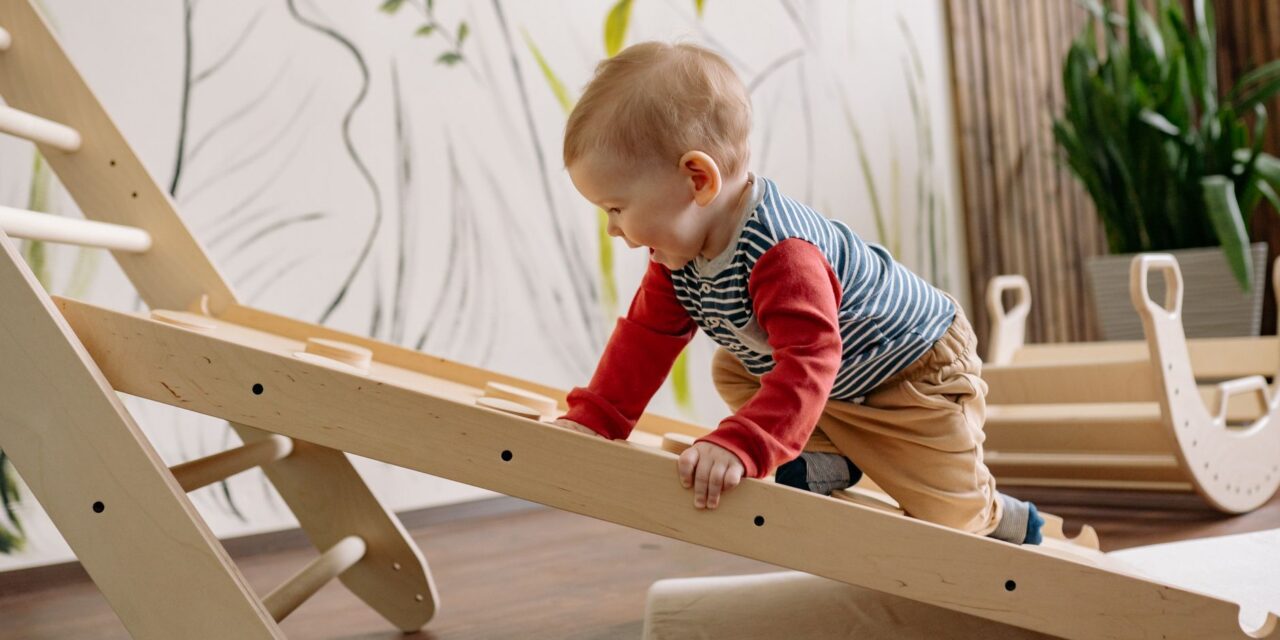
Create a short circuit using cushions, masking-tape lines and sturdy items designed for toddler play. Your child might crawl across two sofa cushions, walk along a taped line, step into a cardboard box and finish with three big jumps. A climbing triangle can provide a dedicated place to practise controlled climbing and motor skills, provided you follow its age guidance and supervise every session.
Keep the circuit simple enough for your toddler to remember. Two or three laps will often be plenty. Suggestions for keeping children moving indoors also include animal walks and action songs, which work well as circuit stations. Check the area for slipping or tripping risks before each round.
Turn Everyday Chores into Play
Household jobs can provide useful movement without requiring another organised activity. Ask your toddler to carry pairs of socks to the right bedroom, push a lightweight laundry basket across the carpet or collect soft toys and place them in a box. Keep loads light and avoid cleaning products, breakable objects and anything that could trap small fingers.
Music can make repetitive tasks more appealing. Put on one song and see how many toys you can tidy before it finishes, or turn dusting with a clean cloth into a high-and-low reaching game. Toddlers usually enjoy copying adults, so work alongside them and describe the actions: bend, stretch, lift, and walk. The task may take longer, but it gives their energy a clear purpose.
Simple Calming Reset Routines
Active play works best when toddlers also have help slowing down. After a movement circuit or lively chore, lower the noise and guide your child through a predictable two-minute reset. Sit together, take three slow breaths, and pretend to smell a flower before gently blowing out a candle. Then try a few easy stretches, such as reaching upwards, touching knees and curling into a small ball.
Some children settle more easily with firm, comforting sensory activities. Rolling a soft ball over their back, wrapping up in a blanket for a supervised cuddle or slowly squeezing modelling dough may help. Watch your child’s response and stop if they seem uncomfortable. Repeating the same short routine before lunch, quiet play or a nap gives them a familiar signal that energetic time has finished.
A rainy morning may still include sofa climbing attempts and a few abandoned games. That’s normal. Keep your favourite circuit short, repeat the activities your toddler genuinely enjoys, and finish with the same calming cue each time. Even ten purposeful minutes can make the next part of the day feel more manageable.