


































Make Your Living Room Toddler Proof This Weekend

*this is a collaborative post
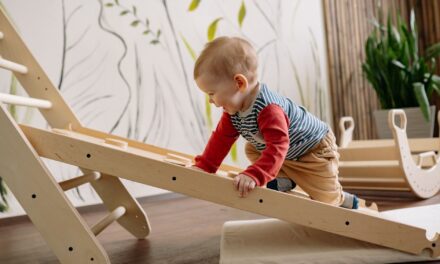
Toddlers can turn an ordinary living room into a climbing course within minutes. A focused weekend safety check helps you deal with the most likely hazards before your child discovers them. Start at floor level, work around the room in one direction and finish by testing every latch, bracket and barrier you install. Keep the room usable for the whole family while making common risks harder for curious hands to reach.
Spot Hidden Hazards First
Crouch down to your toddler’s height and look for anything tempting, loose or sharp. Blind cords, electrical cables and table lamps often become reachable when viewed from the floor. Move cords behind furniture, cover unused outlets and place hot drinks well beyond the edge of low tables.
Check under sofas for coins, batteries and small toy parts. Nationwide Children’s offers a useful living room safety guide covering fireplaces, windows and other shared-room risks. Pay close attention to items that change position during the day, such as laptop chargers, folding trays and handbags containing medication or small objects.
Furniture Tip-Overs Happen Fast
A toddler may pull out drawers to create steps or grab a shelf while learning to stand. Test bookcases, media units and chests by applying gentle forward pressure. Any movement means the item needs suitable restraints, even if it feels heavy when fully loaded.
Secure tall and top-heavy pieces to the wall according to the manufacturer’s instructions. The practical advice in this furniture tip-over guide also explains why televisions and climbable furniture deserve attention. This child-proofing checklist also recommends securing heavy furniture and televisions to prevent tip-over accidents. Store heavier objects on lower shelves, remove attractive toys from high surfaces and avoid leaving remote controls where a child might climb to reach them.
Choose Solid Fasteners for Wall Brackets
A safety bracket is only as reliable as its fixing point. Identify whether you’re working with timber, masonry or hollow drywall before selecting hardware. Wall plugs and screws must suit the surface, the bracket holes and the load. If you can’t confirm the wall type, ask a qualified tradesperson for help.
For brackets being fixed into suitable timber, pan head screws have a broad, flat underside that can sit neatly against appropriate hardware. Check the bracket maker’s specifications first and choose the stated screw diameter and length. Never substitute a shorter screw simply because it’s already in the toolbox. After installation, test the furniture carefully and recheck the fasteners over time.
Why Drawer Latches Matter
Drawers create two separate problems. Their contents may include batteries, scissors or other unsuitable items, while an open drawer can act as a climbing step and shift the furniture’s balance. Fit child-resistant latches to low drawers and cabinets, especially on media units and sideboards.
Choose a design that adults can operate consistently without leaving it disengaged. Internal catches keep the outside of the furniture tidy, while adhesive options may suit rentals if the product is rated for the surface and expected pull. Screw-mounted models may offer a firmer hold where installation is permitted. Test each latch several times, then check that fingers can’t become trapped in the small opening left by a partly opened drawer.
Final Safety Checks for Busy Rooms
Finish by watching how the room works during a normal day. Clear the main walking route, add corner guards to sharp low edges and use a stable fireguard where needed. Houseplants should be identified and moved if they’re irritating or toxic. Keep button batteries, matches, medicines and cleaning products in locked storage outside a toddler’s reach.
Safety equipment also needs regular checks. Adhesive pads can loosen, latches can shift and furniture may be moved during cleaning. Put a monthly reminder on your phone to inspect brackets and barriers, then repeat the floor-level scan as your child grows taller. Before calling the job done this weekend, give every secured cabinet one firm pull and make sure each tall unit stays completely still.